I-10 Commercial Truck Wrecks in San Antonio: Help

This Blog was brought to you by the Carabin Shaw Law Firm – Personal Injury Attorneys, Principal Office in San Antonio

I-10 Commercial Truck Wrecks in San Antonio: Help for Injured Victims

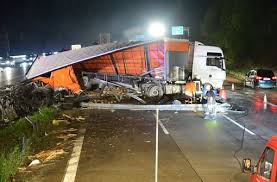
Interstate 10 (I-10) is a vital transportation corridor running through San Antonio, Texas, connecting the city to major hubs like Houston and El Paso. As a key artery for commercial trucking, I-10 carries a heavy volume of 18-wheelers and other large commercial vehicles daily. Unfortunately, this high volume of truck traffic can increase the risk of serious and sometimes fatal accidents. When a commercial truck collision occurs on I-10 in San Antonio, the consequences for passenger vehicle occupants and other road users can be devastating.

More from our San Antonio Truck – 18 wheeler accident lawyers

If you or a loved one has been injured in an I-10 truck wreck, understanding the unique challenges of these cases and knowing how to protect your legal rights is essential. An experienced San Antonio truck accident attorney can investigate the circumstances, identify liable parties, and help you pursue compensation that may be available under Texas law.

Our truck accident lawyers in San Antonio explain more here

Why I-10 Is a High-Risk Route for Commercial Truck Accidents in San Antonio

I-10 serves as a major east-west interstate highway across Texas and the southern United States. In San Antonio, it meets other busy highways such as I-35, I-37, Loop 410, and Loop 1604, creating complex interchanges and traffic patterns. These intersections, combined with local commuter traffic and industrial activity near distribution centers, contribute to a challenging driving environment for truck operators.

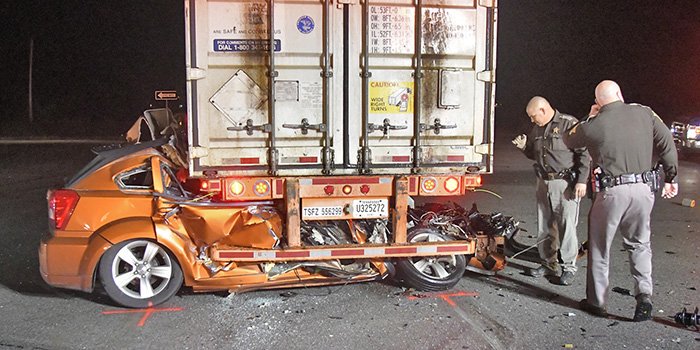
Large commercial trucks on I-10 often travel at high speeds and require longer distances to stop safely due to their weight, which can be 20 to 30 times that of passenger vehicles. The mix of heavy trucks and smaller vehicles in congested or rapidly changing traffic conditions increases the likelihood of collisions. The size and height of trucks also create specific hazards such as underride risks, where a smaller vehicle can slide under a truck trailer in a crash, often resulting in severe injuries or fatalities.

Common Causes of Commercial Truck Accidents on I-10 in San Antonio

Truck crashes on I-10 may result from a variety of factors, often involving a combination of driver behavior, vehicle condition, and environmental conditions. Some of the most frequent causes:

Driver Fatigue

Despite federal hours-of-service regulations designed to limit driving time and reduce fatigue, drowsy driving remains a significant risk in the trucking industry. Long hauls on I-10 can lead to driver exhaustion, impairing reaction times and judgment.

Distracted Driving

Truck drivers may be distracted by electronic devices, in-cab communications, GPS systems, or other factors. Even momentary lapses in attention at highway speeds can have catastrophic consequences.

Speeding and Reckless Driving

Pressure to meet tight delivery schedules can lead some truck drivers to speed or drive aggressively. Given the longer stopping distances required for large trucks, speeding increases the risk of serious collisions.

Vehicle Maintenance Issues

Commercial trucks require regular inspections and maintenance to remain safe on the road. Brake failures, tire blowouts, or other mechanical problems caused by inadequate maintenance can lead to loss of control.

Improper Load Securement

Cargo that is improperly loaded or unsecured can shift during transit, destabilizing the truck and increasing the risk of rollovers or jackknife accidents.

Adverse Weather Conditions

Rain, fog, and other weather hazards common in South Texas can reduce visibility and road traction, making it more difficult for truck drivers to safely handle I-10.

Evidence That May Be Critical in I-10 Truck Accident Cases

Truck accident claims often involve complex investigations due to the commercial nature of the vehicles and the regulatory environment. Gathering and preserving evidence promptly can be crucial to establishing liability and pursuing compensation. Important types of evidence in I-10 truck wreck cases:

Evidence Type Description
Electronic Control Module (ECM) Data Also known as “black box” data, records truck speed, braking, and other operational details before the crash.
Electronic Logging Device (ELD) Records Show compliance with federal hours-of-service rules and can reveal driver fatigue or violations.
Driver Logs and Dispatch Records Provide insight into the driver’s schedule, rest breaks, and communications with the trucking company.
Maintenance and Inspection Records Document the truck’s mechanical condition and whether required inspections were performed.
Load Securement Documentation Evidence that cargo was properly loaded and secured according to safety regulations.
Photos and Video Footage Crash scene photos, surveillance, or dashcam videos can help reconstruct the accident and show road conditions.
Witness Statements Testimonies from other drivers, passengers, or bystanders who observed the crash or truck driver behavior.
Crash Reconstruction Reports Expert analysis to determine how the accident occurred and which party may be at fault.
FMCSA Violation Records Records of prior safety violations or complaints against the trucking company or driver may indicate negligence.

An attorney experienced in San Antonio truck accident law can help collect and analyze these types of evidence to build a strong case.

Potential Liability in I-10 Commercial Truck Wrecks

Liability in truck accident cases may extend beyond the truck driver to multiple parties, depending on the facts. Possible liable parties:

  • Truck Driver: For negligent driving, fatigue, distraction, or violations of traffic laws.
  • Trucking Company: For negligent hiring, training, supervision, or failure to maintain vehicles properly.
  • Cargo Loaders or Shippers: If improper loading or securing of cargo contributed to the crash.
  • Vehicle Manufacturers or Maintenance Providers: If mechanical defects or faulty repairs caused the accident.
  • Other Drivers: If another motorist’s actions contributed to the collision.

Because commercial trucking is heavily regulated by the Federal Motor Carrier Safety Administration (FMCSA), violations of federal safety rules can be strong evidence of negligence. An attorney can investigate these issues and identify all potentially responsible parties.

How Carabin Shaw Can Help After an I-10 Truck Accident

If you have been injured in a commercial truck wreck on I-10 in San Antonio, Carabin Shaw’s experienced truck accident lawyers can provide trusted legal guidance. We offer:

  • Free consultations to review your case and explain your options.
  • No Win, No Fee representation, so you pay nothing unless we recover compensation for you.
  • Bilingual services in English and Spanish to assist a diverse San Antonio community.
  • Thorough investigation of trucking company liability — examination of driver logs, maintenance records, and FMCSA compliance.
  • Aggressive pursuit of compensation for medical bills, lost wages, pain and suffering, property damage, and other losses.

Call Carabin Shaw today at 800-862-1260 to schedule your free consultation. An attorney can evaluate your case, help preserve critical evidence, and guide you through the legal process to pursue the compensation that may be available under Texas law.

Disclaimer: This blog is intended for informational purposes only and does not constitute legal advice. Each case is unique, and outcomes depend on the specific facts involved. Contacting an attorney promptly can help protect your rights.

References

How to Choose the Right Truck Accident Lawyer in Texas | Carabin Shaw

Carabin Shaw is one of the leading personal injury law firms in San Antonio and Texas. They have extensive experience in truck and 18-wheeler accident cases, focusing on securing compensation that reflects the full extent of clients’ medical bills, property damage, and pain and suffering.
Specialization: Personal injury, truck accidents, car accidents, wrongful death, 18-wheeler accidents.
Why choose them? Carabin Shaw Law Firm offers a complimentary initial consultation, and their team is recognized for aggressively advocating for their clients’ rights.

How to Choose the Right Truck Accident Lawyer in Texas

Choosing the right truck accident attorney protects a family’s future after a devastating 18-wheeler crash. Texas has numerous personal injury attorneys, but not all possess the specialized experience necessary to handle complex truck accident litigation. Making the wrong choice can result in substantially reduced compensation and allows insurance companies to exploit victims’ vulnerabilities. Understanding how to evaluate attorneys and what experienced counsel actually provides helps accident victims select the right representation. Time is of the essence — get in touch with Truck and 18-Wheeler Accident Lawyers in Laredo today.

Interview Multiple Attorneys Immediately

Time matters tremendously after truck accidents. Evidence disappears, witnesses become unavailable, and insurance companies build defenses while victims delay hiring attorneys. Family members should begin interviewing lawyers immediately, even while loved ones remain hospitalized. Interview at least two or three truck accident attorneys before making a final decision — this comparison reveals differences in experience, communication styles, and case strategies. Contact Truck and 18-Wheeler Accident Lawyers in Laredo now for a prompt consultation.

Most truck accident attorneys offer free initial consultations where they evaluate cases and explain legal options. These meetings provide opportunities to assess whether an attorney possesses the necessary expertise and whether their communication style fits the family’s needs. Bring all available documentation to consultations — police reports, medical records, photographs, and insurance information help attorneys evaluate case strength and potential outcomes.

Critical Questions to Ask Prospective Attorneys

Track records matter when selecting truck accident counsel. Ask about specific experience handling 18-wheeler cases — general personal injury experience does not translate automatically to truck accident expertise. Federal motor carrier safety regulations, commercial insurance issues, and technical vehicle evidence require specialized knowledge. Ask about recent case results: how many truck accident cases has the attorney handled, and what settlements and verdicts were obtained? Request an honest assessment of the case’s strengths and weaknesses — attorneys who promise guaranteed outcomes lack credibility. Discuss litigation strategy in detail: which parties will be pursued, how investigations will be conducted, and which experts will be retained. Ask for references from former clients whose cases were similar. Attorneys confident in their work willingly provide them.

What Experienced Truck Accident Attorneys Provide

Experienced truck accident attorneys provide a full range of services that go well beyond legal filings. Medical care coordination connects clients with qualified physicians who understand accident-related injuries, with many providers treating patients under Letters of Protection that defer payment until cases resolve. Thorough investigations go far beyond police reports — examining commercial vehicles, downloading electronic logging device data, interviewing witnesses, and retaining accident reconstruction experts. Spoliation letters require trucking companies to preserve driver qualification files, maintenance records, and electronic data before it disappears.

Discovery management involves exchanging information through formal legal processes, sending interrogatories and deposition notices while protecting client interests from defense discovery overreach. Damage calculations require expertise — medical expenses, lost wages, permanent disabilities, pain and suffering, and loss of earning capacity must all be valued accurately using economic experts, life care planners, and vocational rehabilitation specialists. Settlement negotiations leverage attorney reputation and trial experience: insurance companies settle more readily when facing counsel with proven track records, and aggressive negotiation backed by genuine willingness to try cases produces superior results. When insurance companies refuse fair settlements, trial advocacy becomes necessary, and attorneys who have actually tried cases are the ones who produce results at that stage.

Experience and the Cost of Delay

Years of handling truck accident litigation translate to better outcomes. Attorneys who have represented hundreds of victims understand which strategies work and which fail — institutional knowledge that cannot be purchased or learned from books. Carabin Shaw has delivered millions of dollars in compensation to Texas truck accident victims, with a track record of consistent success against insurance companies and corporate defendants. The firm’s reputation in negotiations and courtrooms reflects a demonstrated willingness to try cases when insurers refuse fair settlements, which produces superior results compared to attorneys who always settle cheaply.

Truck accident claims face real danger without proper legal representation. Insurance companies exploit unrepresented victims and overwhelm inexperienced attorneys. Every day without attorney representation allows insurers to strengthen their defenses — evidence disappears, witnesses forget details, and statutes of limitations move closer to expiration. The gap between what victims recover with and without qualified counsel is substantial.

If an 18-wheeler injured you or killed a family member in Texas, contact Carabin Shaw immediately for a free consultation. Experienced truck accident attorneys make the difference between inadequate settlements and the full compensation families deserve.

Texting While Driving Truck Accidents in Texas

 Carabin Shaw is one of the leading personal injury law firms in South and Central Texas. They have extensive experience in Truck accident cases, focusing on securing compensation for clients’ medical bills, property damage, and pain and suffering.
Specialization: Personal injury, car accidents, wrongful death, truck/18-wheeler accidents.
Why choose them?: Carabin Shaw offers a free initial consultation, and their team is known for fighting aggressively for their clients’ rights.

Texting While Driving Truck Accidents in Texas

Distracted driving has been a serious problem on Texas highways for years, but texting while driving has emerged as one of the most dangerous forms of driver distraction. When the distracted driver operates an 80,000-pound commercial truck, the consequences of texting and driving become catastrophic. Federal regulations and Texas law prohibit truck drivers from texting while operating commercial vehicles, yet violations continue to cause devastating accidents throughout the state.

More from our Truck Accident Lawyers Houston here

The Federal Motor Carrier Safety Administration specifically bans commercial truck drivers from texting while driving. This federal prohibition recognizes that commercial vehicle operators bear heightened responsibility due to the size and weight of trucks they operate. Despite these regulations, distracted truck drivers continue to cause accidents that result in serious injuries and wrongful death.

More from our Truck/18 wheeler Accident Lawyers Austin here

Federal Regulations Prohibiting Truck Driver Texting

Federal Motor Carrier Safety Regulations explicitly prohibit commercial motor vehicle drivers from texting while operating their vehicles. The regulation defines texting broadly to include manually entering text into, or reading text from, an electronic device. This encompasses text messaging, emailing, instant messaging, and accessing web pages.

The federal texting ban applies whenever a commercial motor vehicle is operating on a public road, including when the vehicle is temporarily stopped due to traffic, a traffic control device, or other momentary delays. Truck drivers cannot legally pick up their phones to read or send messages even while sitting in traffic or waiting at a red light.

Violations of the federal texting ban carry serious consequences for truck drivers. Drivers may be disqualified from operating commercial vehicles for repeated violations. Fines for texting violations can reach $2,750 for drivers and $11,000 for trucking companies that allow or require drivers to text while driving.

Texas state law also prohibits texting while driving for all motorists. The combination of federal commercial vehicle regulations and state traffic laws creates multiple bases for establishing truck driver negligence when texting contributes to accidents.

Why Texting Truck Drivers Are Extremely Dangerous

Research demonstrates that texting while driving dramatically increases accident risk for all drivers. Studies by the Virginia Tech Transportation Institute revealed that drivers who text while driving face accident risks 23 times higher than non-distracted drivers. The study documented that texting drivers typically spend the seconds immediately before crashes looking at their phones rather than the roadway.

These dangers multiply exponentially when the distracted driver operates a commercial truck. The stopping distance for a loaded tractor-trailer traveling at highway speed can exceed 500 feet. A truck driver looking at a phone for even five seconds while traveling 55 miles per hour covers the length of a football field without watching the road. During those seconds of inattention, traffic conditions can change dramatically, making collision unavoidable.

Texting affects three types of driver attention simultaneously. Visual distraction occurs when drivers take their eyes off the road to look at phone screens. Manual distraction happens when drivers remove hands from the steering wheel to hold or manipulate phones. Cognitive distraction results when drivers focus mental attention on message content rather than driving tasks. This triple distraction makes texting one of the most dangerous activities a truck driver can engage in.

Research has shown that texting drivers exhibit reaction times and reflexes comparable to drunk drivers. A texting truck driver may fail to notice slowing traffic, changing signals, or hazards in the roadway until collision is inevitable. Unlike attentive drivers who begin braking before impact, texting drivers often strike other vehicles at full speed because they never saw the danger approaching.

Catastrophic Consequences of Texting Truck Accidents

Accidents involving texting truck drivers often produce more severe injuries than other truck accidents because the distracted driver typically fails to take any evasive action. An attentive truck driver who recognizes an impending collision may brake, steer, or take other actions that reduce impact severity. A texting truck driver strikes victims with the full force of an 80,000-pound vehicle traveling at speed.

Common injuries from texting truck driver accidents include traumatic brain injuries, spinal cord damage resulting in paralysis, multiple fractures, severe internal organ damage, and wrongful death. Victims who survive these collisions often face months or years of medical treatment, permanent disabilities, and diminished quality of life.

The economic consequences of texting truck accidents extend beyond immediate medical bills. Victims may require extensive rehabilitation, adaptive equipment, home modifications, and lifetime care for catastrophic injuries. Lost income during recovery and permanently reduced earning capacity compound financial losses. Pain, suffering, and loss of enjoyment of life represent additional damages that deserve compensation.

Proving Texting Caused a Truck Accident

Establishing that a truck driver was texting at the time of an accident requires thorough investigation and evidence gathering. Cell phone records can document when messages were sent or received relative to the time of the collision. Witness statements may describe the truck driver looking down or holding a phone before impact. The truck’s event data recorder may show absence of braking or evasive action consistent with driver inattention.

Trucking companies have obligations to monitor driver compliance with texting bans. Companies that fail to enforce texting policies, or that pressure drivers to respond to dispatches while driving, may bear direct liability for accidents their policies encourage. Driver training records, company communications policies, and dispatch logs may reveal company negligence contributing to texting accidents.

Preserving evidence quickly is essential in texting truck accident cases. Cell phone data may be deleted or overwritten. Trucking companies may attempt to shield driver phone records from discovery. Prompt legal action including spoliation letters and subpoenas protects evidence needed to prove distracted driving caused the accident.

Holding Texting Truck Drivers Accountable

Truck drivers who act carelessly by texting while operating commercial vehicles should be held responsible for the harm they cause. Texas law allows accident victims to recover compensation for medical expenses, lost wages, pain and suffering, and other damages caused by negligent truck drivers.

Both the truck driver and the trucking company may bear liability for texting accidents. Vicarious liability holds employers responsible for employee negligence within the scope of employment. Direct liability may apply when trucking companies fail to enforce texting bans, inadequately train drivers about distraction dangers, or create pressure that encourages texting while driving.

Commercial trucking insurance policies typically provide coverage ranging from $750,000 to several million dollars, ensuring resources exist to compensate victims of serious texting-related accidents. Pursuing claims against both drivers and trucking companies maximizes available compensation.

Getting Legal Help After a Texting Truck Accident

If you have been injured in a truck accident caused by a texting driver, consulting with an experienced truck accident attorney helps protect your rights and build a strong case. Attorneys experienced in truck accident litigation understand how to obtain cell phone records, preserve electronic evidence, and prove distracted driving caused the collision.

Texas law provides a two-year statute of limitations for personal injury claims. Most truck accident attorneys offer free consultations and work on contingency fees, meaning no upfront cost for legal representation. Contact a truck accident attorney promptly to discuss your case and learn about your legal options for holding distracted truck drivers accountable.

Truck vs Cyclist Accidents in Texas | Bicycle Collision Injury Rights

Published by J.A. Davis & Associates – San Antonio Personal Injury Lawyers – Truck Accident Lawyers

Texas Highways: Protecting Cyclists from Commercial Truck Collisions on Roads and Shoulders (Part 14)

Cyclist accidents involving commercial trucks produce catastrophic injuries due to the extreme vulnerability of bicycle riders sharing roadways with heavy vehicles. The absence of protective barriers between cyclists and commercial trucks creates collision scenarios where survival depends entirely on driver awareness and proper yielding. Cyclist accidents involving commercial trucks contributed to fatalities among the 2,604 bicycle crashes recorded in Texas during 2023, claiming 106 lives and seriously injuring 384 riders. Cyclist accidents involving commercial trucks occur most frequently at intersections, along narrow shoulders, and during turning maneuvers where truck blind spots conceal bicycle traffic. If you or a family member has been injured in a collision between a cyclist and a commercial truck, legal remedies are available.

san antonio truck accident lawyers

The Scope of Cyclist Accidents in Texas

Texas roads accommodate growing numbers of cyclists for transportation, recreation, and fitness purposes. This increased bicycle traffic shares infrastructure with commercial vehicles, creating persistent collision risk throughout the state. In 2023, Texas recorded 2,604 crashes involving bicyclists, resulting in 106 fatalities and 384 serious injuries.

These statistics translate to one cyclist death every three days across Texas. Urban areas prove particularly dangerous, with Houston recording 26 cyclist fatalities during 2023 alone. Major arterial roads where commercial truck traffic concentrates present the highest risk for bicycle riders who must share lanes or navigate narrow shoulders alongside heavy vehicles.

Commercial trucks amplify cyclist collision severity dramatically. Among the 39,393 commercial vehicle crashes recorded in Texas during 2024, with 608 proving fatal, cyclists faced disproportionate risk due to truck blind spots and the mass differential between commercial vehicles and unprotected bicycle riders. A cyclist struck by an 80,000-pound semi-truck has virtually no chance of escaping serious injury or death.

mcallen truck accident lawyer

The physics of truck-cyclist collisions leave no margin for error. Truck mirrors extending beyond the cab can strike cyclists at head height. Wind displacement from passing trucks can destabilize riders into travel lanes. Right-turn movements can sweep across bicycle lanes, trapping cyclists between the truck cab and trailer. Traffic safety research indicates that increased driver awareness and proper yielding could reduce cyclist collisions by half.

Common Cyclist Collision Scenarios

Understanding how cyclist accidents occur enables both drivers and riders to recognize danger and respond appropriately. Three collision patterns account for the majority of truck-cyclist accidents on Texas roads.

Dooring incidents occur when occupants of parked commercial vehicles open doors into the path of approaching cyclists. Delivery trucks stopped along urban streets create particular danger, as drivers focused on their next stop may exit without checking for bicycle traffic. These collisions occur suddenly and provide cyclists no opportunity for evasive action.

Hook-turn collisions develop when commercial trucks executing left turns cross through bicycle lanes or paths without verifying that cyclists have cleared the intersection. Truck blind spots on the passenger side can conceal cyclists positioned legally in bike lanes, and drivers who fail to check these areas before turning create collision paths that trap riders between the truck and the curb or other obstacles.

Shoulder squeeze incidents occur when wide commercial vehicles encroach on roadway shoulders where cyclists travel. Trailers that track wider than the cab during curves, oversized loads that extend beyond normal lane width, and drivers who drift toward the shoulder create collision risks for cyclists who have no escape route when roadway space disappears.

TxDOT crash data confirms that these collision patterns appear consistently in cyclist fatality investigations. Recognizing these scenarios enables both drivers and cyclists to anticipate danger and take protective action.

Protective Measures for Texas Drivers

Drivers operating vehicles near cyclists bear significant responsibility for preventing collisions. The following measures can substantially reduce cyclist collision risk.

Extend visual scanning to identify cyclists well in advance of potential conflict points. Search 500 feet ahead for bicycle riders on shoulders, in bike lanes, and approaching intersections. Reduce speed to 25 miles per hour or below when traveling through designated bike zones. Yield the full lane to cyclists when shoulder width proves insufficient for safe passing.

Execute turning movements with cyclist awareness as a primary concern. Before initiating left turns at intersections, check the passenger side mirror and blind spot specifically for cyclists who may be proceeding straight through the intersection. Treat bike lanes as occupied until visual confirmation proves otherwise. Signal turning intentions early to provide cyclists maximum warning of your intended path.

Maintain proper clearance when passing cyclists on roadways. Texas law requires vehicles to provide at least three feet of lateral clearance when overtaking bicycles. Reduce speed during the pass to minimize wind displacement effects. Check mirrors after passing to confirm the cyclist has not been destabilized by your vehicle’s passage.

Alert cyclists to potential hazards when appropriate. A brief, non-aggressive horn signal can alert a cyclist to your presence when approaching from behind on narrow roads. Activate hazard lights when slowing for cyclist activity to warn following traffic.

Report dangerous driver behavior involving cyclists through TxDOT’s 511 system. These reports contribute to enforcement targeting and help identify locations requiring infrastructure improvements, such as protected bike lanes or improved signage.

Legal Framework and Cyclist Protection Standards

Texas traffic law establishes specific protections for cyclists sharing roadways with motor vehicles. The Share the Road campaign enforces violations with fines up to $200 for failure to yield to cyclists or provide required passing clearance. Enhanced penalties apply when violations result in cyclist injury.

TxDOT’s 2024 initiatives expanded cyclist safety infrastructure, including improved lane markings, dedicated bicycle facilities, and public awareness campaigns targeting both drivers and riders. These investments reflect recognition that cyclist safety requires systematic infrastructure improvements alongside enforcement.

Commercial drivers operating under CDL requirements receive training on cyclist awareness, though compliance varies across the industry. When training deficiencies or time pressure contribute to cyclist collisions, trucking companies face liability alongside individual drivers.

Protecting Your Rights After a Cyclist Accident

If you or a family member has been injured in a collision between a cyclist and a commercial truck, evidence preservation begins immediately. Photograph the collision location, lane markings, bike lane configuration, and any sight-line obstructions. Document the truck’s position and any evidence of the turning or passing maneuver that caused the collision. Obtain witness contact information.

Seek medical attention promptly regardless of apparent injury severity. Cyclist collision injuries frequently prove more serious than initial assessments indicate. Maintain thorough records of all treatment and expenses.

Consulting with a cyclist injury attorney costs nothing upfront and provides clarity about legal options. An experienced attorney can investigate driver training records, blind spot check procedures, and company policies to establish negligence.

Review your insurance coverage for cyclist accident scenarios. Personal injury protection and uninsured motorist provisions may provide essential coverage when commercial carriers dispute liability. Understanding cyclist collision risks empowers Texas drivers to protect vulnerable road users through proper awareness and yielding.