
Published by Carabin Shaw – Houston Truck Accident Lawyers
Texas Highways: Protecting Cyclists from Commercial Truck Collisions on Roads and Shoulders (Part 14)
Cyclist accidents involving commercial trucks produce catastrophic injuries due to the extreme vulnerability of bicycle riders sharing roadways with heavy vehicles. The absence of protective barriers between cyclists and commercial trucks creates collision scenarios where survival depends entirely on driver awareness and proper yielding. Cyclist accidents involving commercial trucks contribute to the hundreds of bicycle crash fatalities and serious injuries recorded on Texas roads each year. Cyclist accidents involving commercial trucks occur most frequently at intersections, along narrow shoulders, and during turning maneuvers where truck blind spots conceal bicycle traffic. If you or a family member has been injured in a collision between a cyclist and a commercial truck, legal remedies are available.
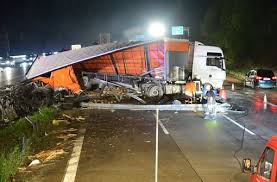
The Scope of Cyclist Accidents in Texas
Texas roads accommodate growing numbers of cyclists for transportation, recreation, and fitness purposes. This increased bicycle traffic shares infrastructure with commercial vehicles, creating persistent collision risk throughout the state. Each year, Texas records thousands of crashes involving bicyclists, resulting in more than a hundred fatalities and hundreds of serious injuries.
That toll amounts to a cyclist death every few days across Texas. Urban areas prove particularly dangerous, and Houston consistently ranks among the state’s most hazardous cities for cyclists. Major arterial roads where commercial truck traffic concentrates present the highest risk for bicycle riders who must share lanes or navigate narrow shoulders alongside heavy vehicles.
Commercial trucks amplify cyclist collision severity dramatically. Texas leads the nation in large-truck crash fatalities — roughly 645 in 2024, according to the Federal Motor Carrier Safety Administration — and cyclists face disproportionate risk due to truck blind spots and the mass differential between commercial vehicles and unprotected bicycle riders. A cyclist struck by an 80,000-pound semi-truck has virtually no chance of escaping serious injury or death.
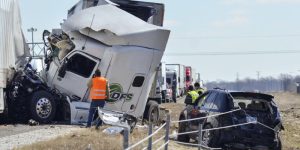
The physics of truck-cyclist collisions leave no margin for error. Truck mirrors extending beyond the cab can strike cyclists at head height. Wind displacement from passing trucks can destabilize riders into travel lanes. Right-turn movements can sweep across bicycle lanes, trapping cyclists between the truck cab and trailer. Traffic safety research indicates that increased driver awareness and proper yielding could significantly reduce cyclist collisions.
Common Cyclist Collision Scenarios
Understanding how cyclist accidents occur enables both drivers and riders to recognize danger and respond appropriately. Three collision patterns account for the majority of truck-cyclist accidents on Texas roads.
Dooring incidents occur when occupants of parked commercial vehicles open doors into the path of approaching cyclists. Delivery trucks stopped along urban streets create particular danger, as drivers focused on their next stop may exit without checking for bicycle traffic. These collisions occur suddenly and provide cyclists no opportunity for evasive action.
Hook-turn collisions develop when commercial trucks executing left turns cross through bicycle lanes or paths without verifying that cyclists have cleared the intersection. Truck blind spots on the passenger side can conceal cyclists positioned legally in bike lanes, and drivers who fail to check these areas before turning create collision paths that trap riders between the truck and the curb or other obstacles.
Shoulder squeeze incidents occur when wide commercial vehicles encroach on roadway shoulders where cyclists travel. Trailers that track wider than the cab during curves, oversized loads that extend beyond normal lane width, and drivers who drift toward the shoulder create collision risks for cyclists who have no escape route when roadway space disappears.
TxDOT crash data confirms that these collision patterns appear consistently in cyclist fatality investigations. Recognizing these scenarios enables both drivers and cyclists to anticipate danger and take protective action.
Protective Measures for Texas Drivers
Drivers operating vehicles near cyclists bear significant responsibility for preventing collisions. The following measures can substantially reduce cyclist collision risk.
Extend visual scanning to identify cyclists well in advance of potential conflict points. Search 500 feet ahead for bicycle riders on shoulders, in bike lanes, and approaching intersections. Reduce speed when traveling through designated bike zones. Yield the full lane to cyclists when shoulder width proves insufficient for safe passing.
Execute turning movements with cyclist awareness as a primary concern. Before initiating left turns at intersections, check the passenger side mirror and blind spot specifically for cyclists who may be proceeding straight through the intersection. Treat bike lanes as occupied until visual confirmation proves otherwise. Signal turning intentions early to provide cyclists maximum warning of your intended path.
Maintain proper clearance when passing cyclists on roadways. Many Texas cities, including Houston, have safe-passing ordinances requiring at least three feet of clearance when overtaking bicycles, with greater clearance required for commercial vehicles. Reduce speed during the pass to minimize wind displacement effects. Check mirrors after passing to confirm the cyclist has not been destabilized by your vehicle’s passage.
Alert cyclists to potential hazards when appropriate. A brief, non-aggressive horn signal can alert a cyclist to your presence when approaching from behind on narrow roads. Activate hazard lights when slowing for cyclist activity to warn following traffic.
Report dangerous driver behavior involving cyclists through TxDOT’s 511 system. These reports contribute to enforcement targeting and help identify locations requiring infrastructure improvements, such as protected bike lanes or improved signage.
Legal Framework and Cyclist Protection Standards
Texas traffic law and local ordinances establish specific protections for cyclists sharing roadways with motor vehicles. Safe-passing and Share the Road measures enforce violations with fines for failure to yield to cyclists or provide required passing clearance. Enhanced penalties may apply when violations result in cyclist injury.
TxDOT’s recent initiatives have expanded cyclist safety infrastructure, including improved lane markings, dedicated bicycle facilities, and public awareness campaigns targeting both drivers and riders. These investments reflect recognition that cyclist safety requires systematic infrastructure improvements alongside enforcement.
Commercial drivers operating under CDL requirements receive training on cyclist awareness, though compliance varies across the industry. When training deficiencies or time pressure contribute to cyclist collisions, trucking companies face liability alongside individual drivers.
Protecting Your Rights After a Cyclist Accident
If you or a family member has been injured in a collision between a cyclist and a commercial truck, evidence preservation begins immediately. Photograph the collision location, lane markings, bike lane configuration, and any sight-line obstructions. Document the truck’s position and any evidence of the turning or passing maneuver that caused the collision. Obtain witness contact information.
Seek medical attention promptly regardless of apparent injury severity. Cyclist collision injuries frequently prove more serious than initial assessments indicate. Maintain thorough records of all treatment and expenses.
Consulting with a cyclist injury attorney costs nothing upfront and provides clarity about legal options. An experienced attorney can investigate driver training records, blind spot check procedures, and company policies to establish negligence.
Review your insurance coverage for cyclist accident scenarios. Personal injury protection and uninsured motorist provisions may provide essential coverage when commercial carriers dispute liability. Understanding cyclist collision risks empowers Texas drivers to protect vulnerable road users through proper awareness and yielding. If you or a loved one was injured in a truck-cyclist collision in Houston, call Carabin Shaw at (713) 654-9991 for a free consultation.